2. José María Moreno Galván
Back2. José María Moreno Galván
Audioguide
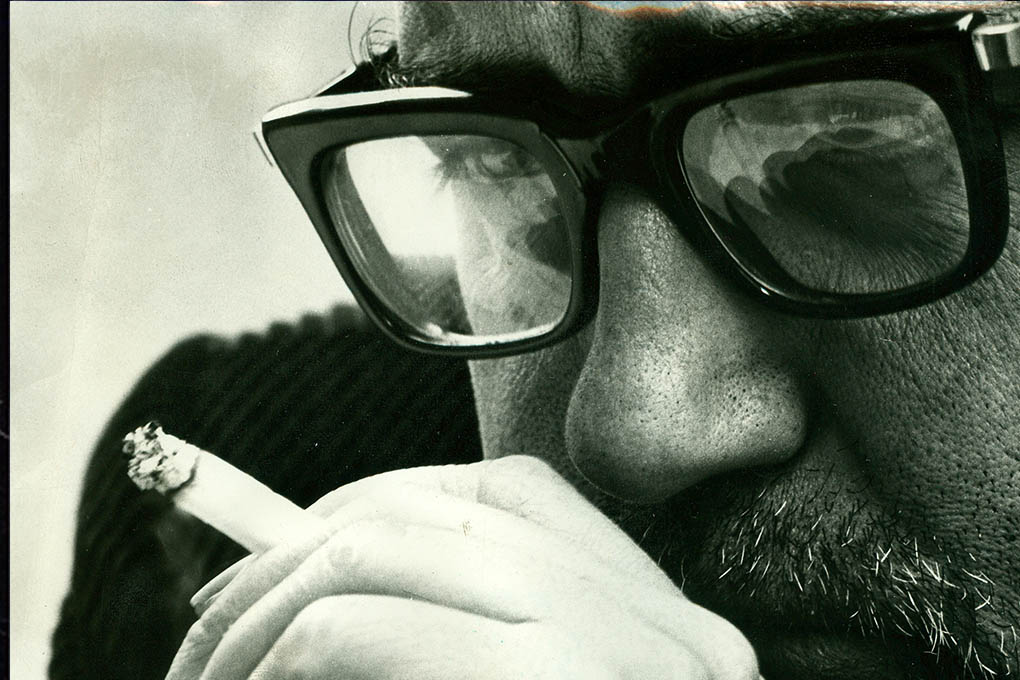
José María Moreno Galván was born in La Puebla de Cazalla in 1923. He is a decisive figure in the framework of Spanish culture during the second half of the twentieth century for his work in art theory and criticism. He also engaged in intense cultural and political activism as a member of the Communist Party of Spain, then in hiding.
He began his studies at the Official School of Journalism in Madrid in 1952, simultaneously increasing his knowledge of art and aesthetics. Shortly after, he began to work as an art critic in magazines such as Mundo Hispánico, Cuadernos Hispanoamericanos, and Triunfo, among others. His texts and reflections on the Spanish art of the "second avant-garde" stand out, focusing mainly on informalism and Latin American art of the 20th century.
He always thought that the critic's function is to act as a “mediator," bringing the complex phenomenon of contemporary art closer to the people and helping them to understand it.
His main works are Introduction to Current Spanish Painting, Autocriticism of Art, and Spanish Painting, the Last Vanguard. He was the artistic director of the Darro Gallery in Madrid, where he exhibited pre-war Spanish art, and later at the Peninsula Gallery. After a long illness, he died on March 23, 1981, when he was only 57 years old.